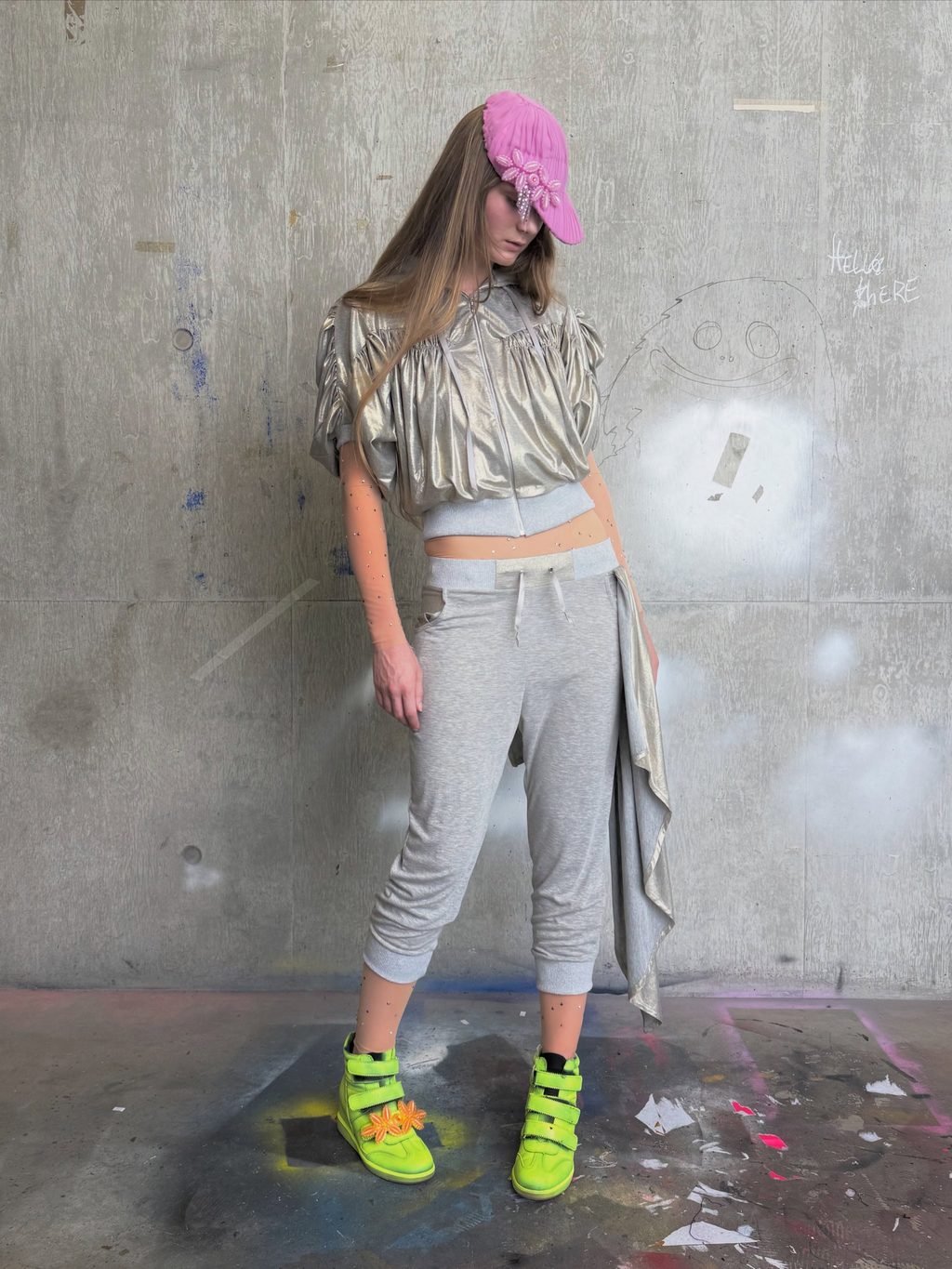
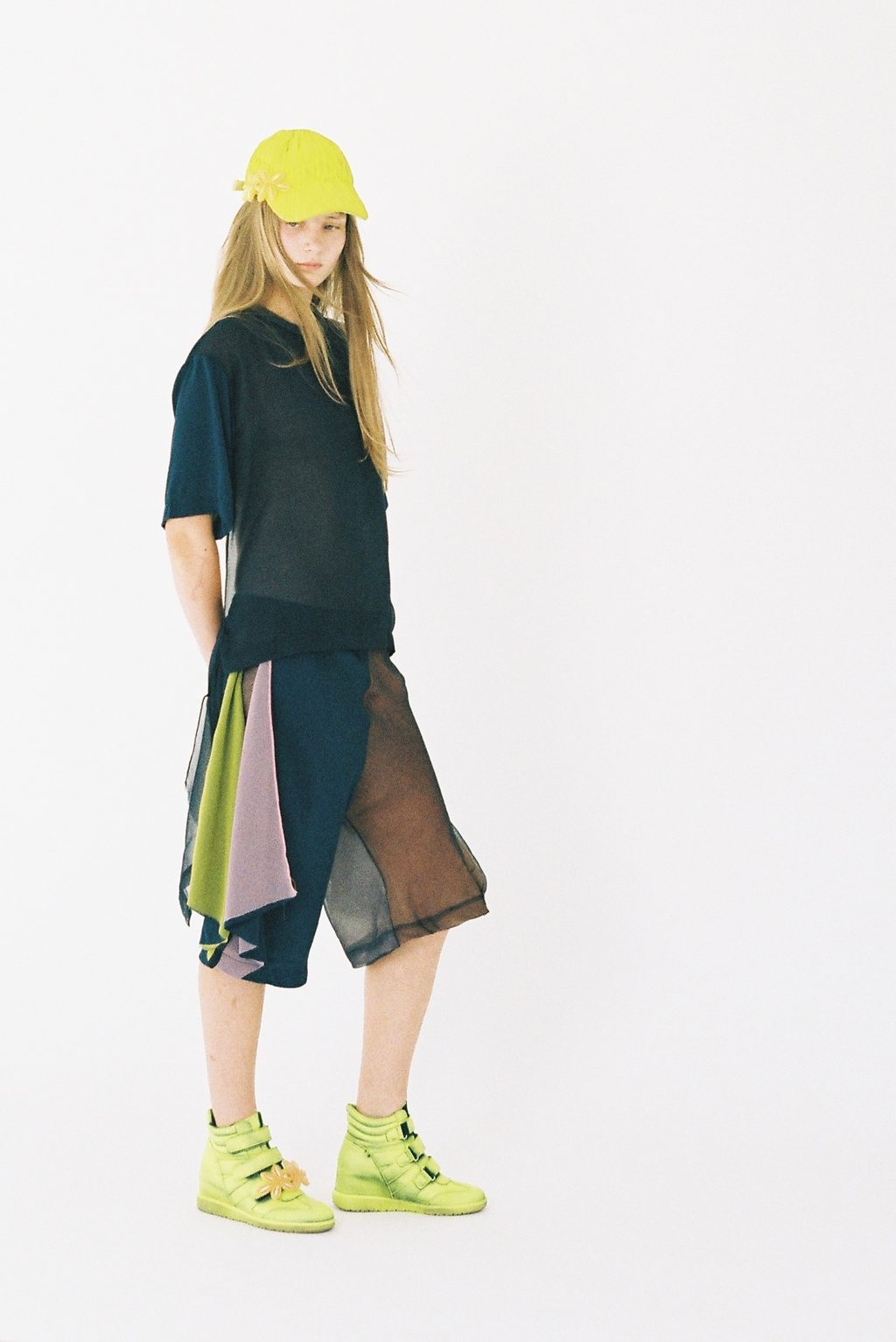
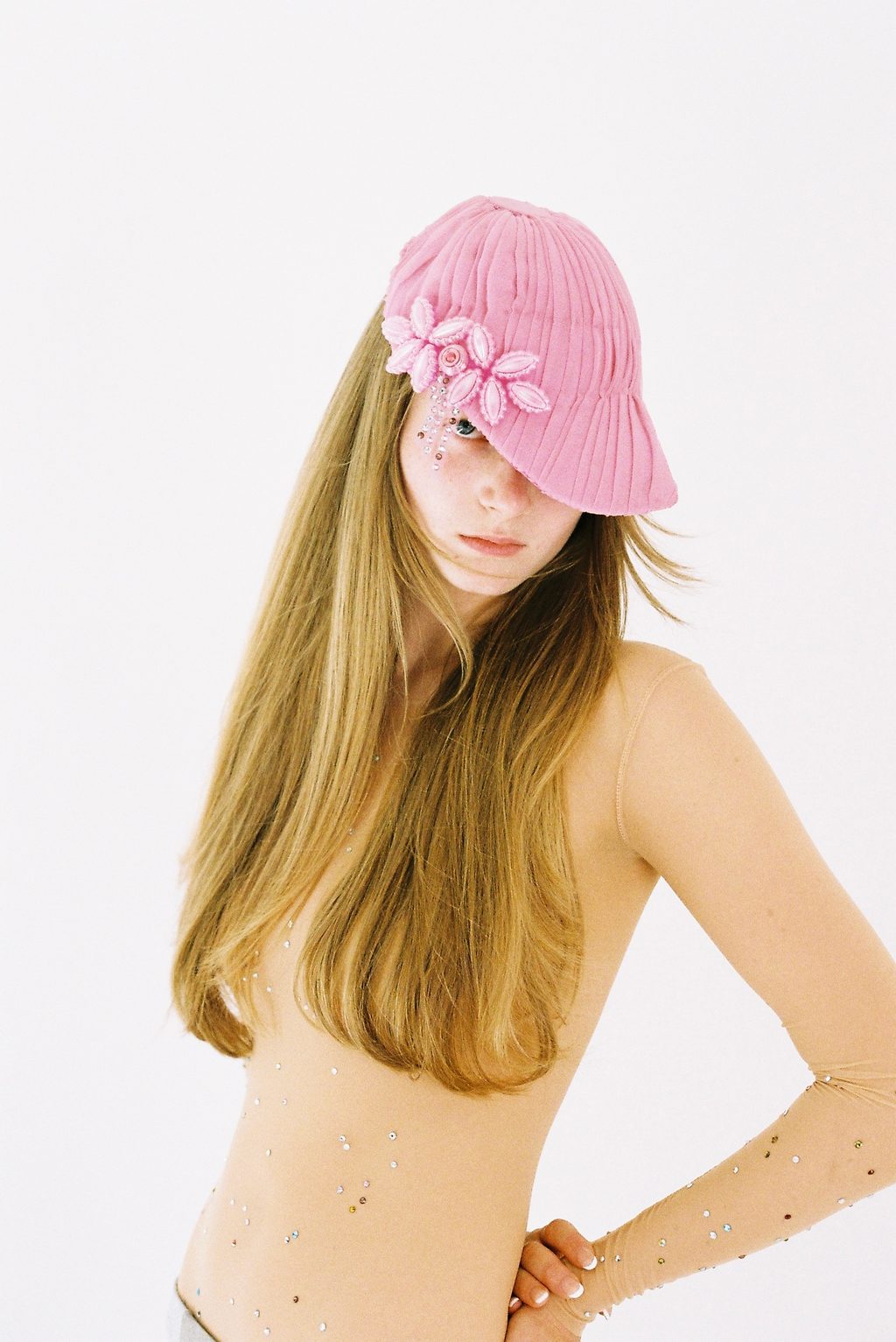
For designer Charlotte Banks, fashion is all about people. Charlotte founded her independent label, @octaviabankslondon in 2020, where she built an all-female team dedicated to creating experimental textile-led designs.
Within a couple of years, Octavia Banks was taking off, growing a steady fanbase including the likes of Rachel Chinouriri. But, like all the best creatives, Charlotte never likes to assume she knows everything. That’s why, in 2025, she enrolled at Central Saint Martins on its MA Fashion programme, to push her design knowledge to its limits.
We sat down with Charlotte Banks to find out about her story as a designer, how she views the fashion industry, and more. Keep reading to find out what she had to say.
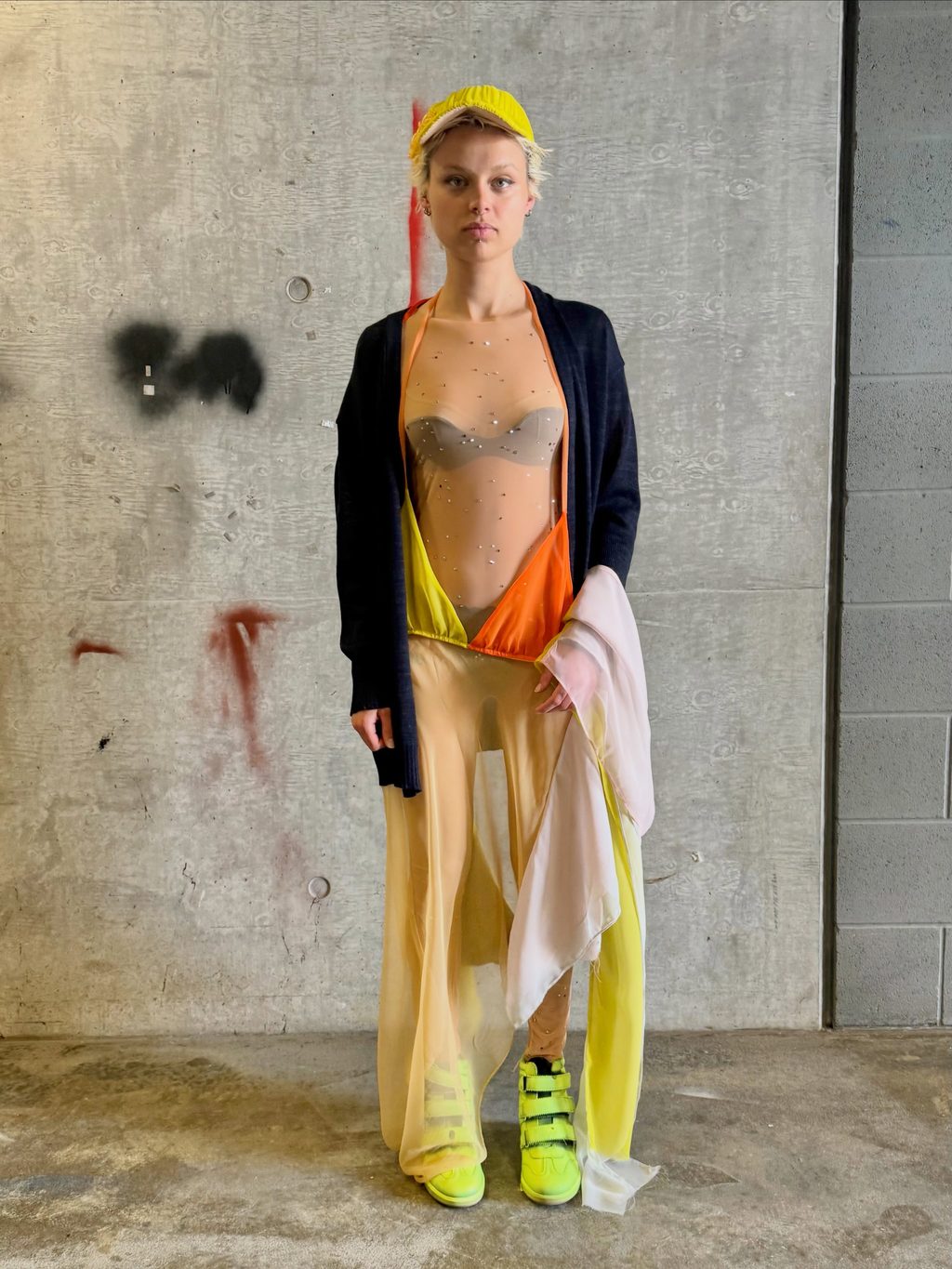
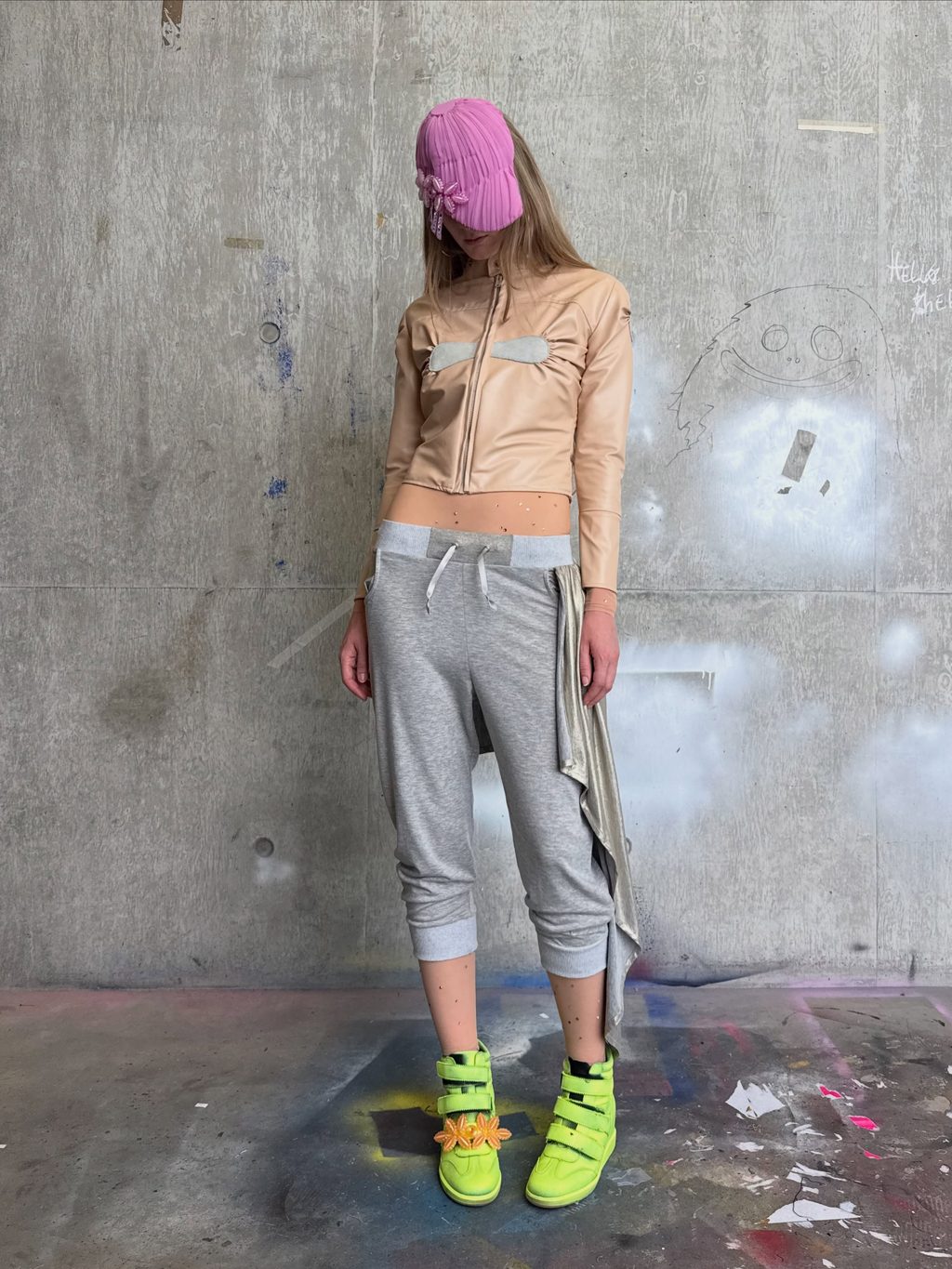
XO: If you had to describe the vibe of your designs to someone who hadn’t seen them before, what would you say?
C: “A fever dream somewhere between reality and fantasy.”
XO: When did you first start developing an interest in fashion design?
C: “Ever since I was tiny I was interested in clothes and was very specific about what I would wear. Even all my childhood drawings pay a lot of attention to clothes. I didn’t actually make my first garment until I was maybe 15, by then it was something I was thinking about as a future for myself.”
XO: What drew you to go down the route of knitwear and textile-led design, both extremely technical practices?
C: “I honestly don't know! When I was at uni studying my BA in fashion design we had the opportunity to sign up for a textile specialism and I ran to make sure I got on the knit list which had limited spaces. I somehow already knew it was what I wanted even though I hadn't ever done it.”
XO: Your designs are really playful, and nostalgic. Where do you tend to get your inspiration from?
C: “Yeah, it's funny I try to stay away from letting nostalgia drive my work as it can feel a bit tropey, but it's true it comes through anyway. I feel deeply all the things I've ever loved or dreamed of becoming, even though I'm not a ballerina for instance, my passion for ballet is as real for me now as it was when I was still taking classes. I think my work is really about how complex we all are as individuals and the vast breadth of influences that shape us.”
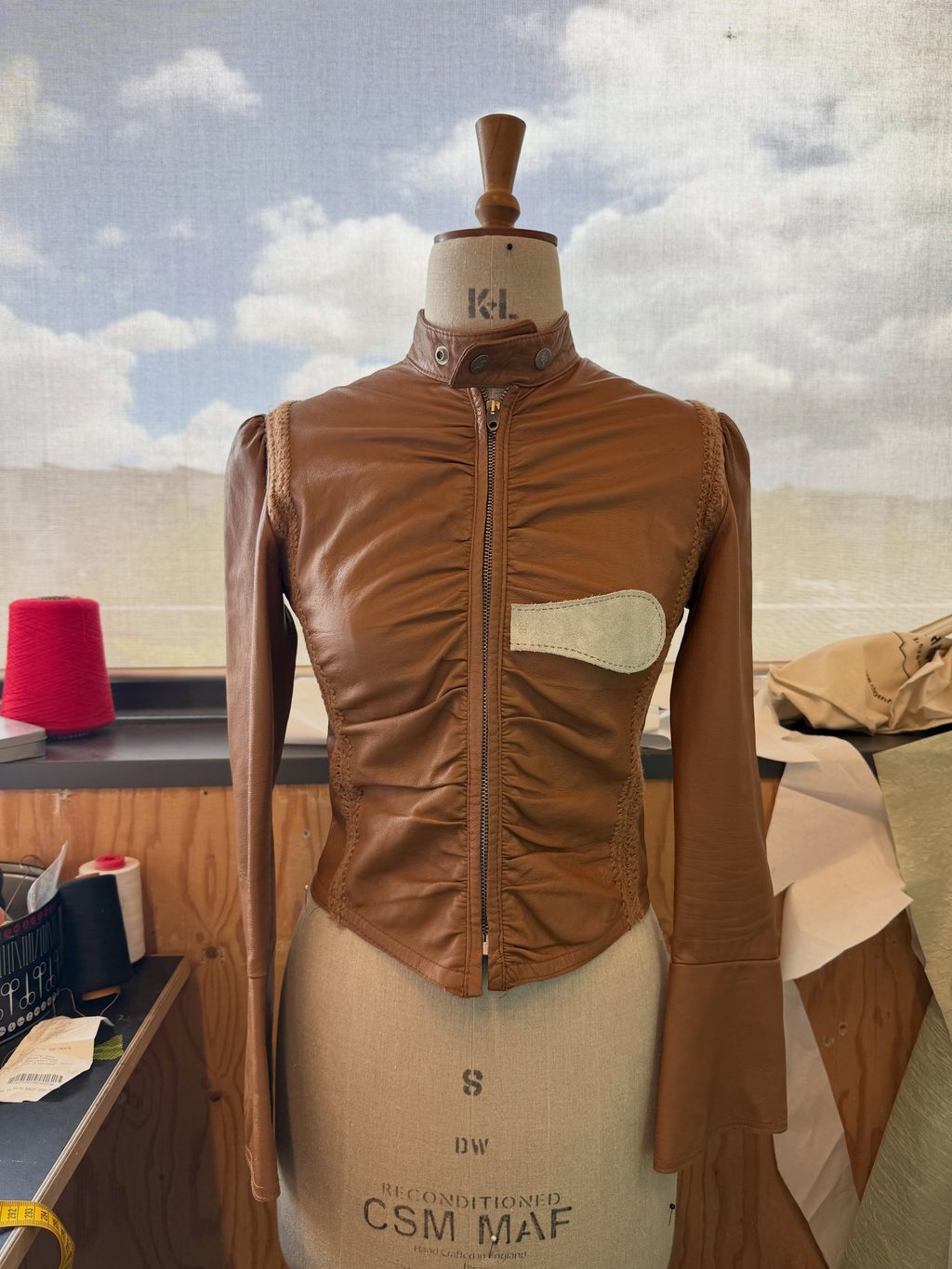
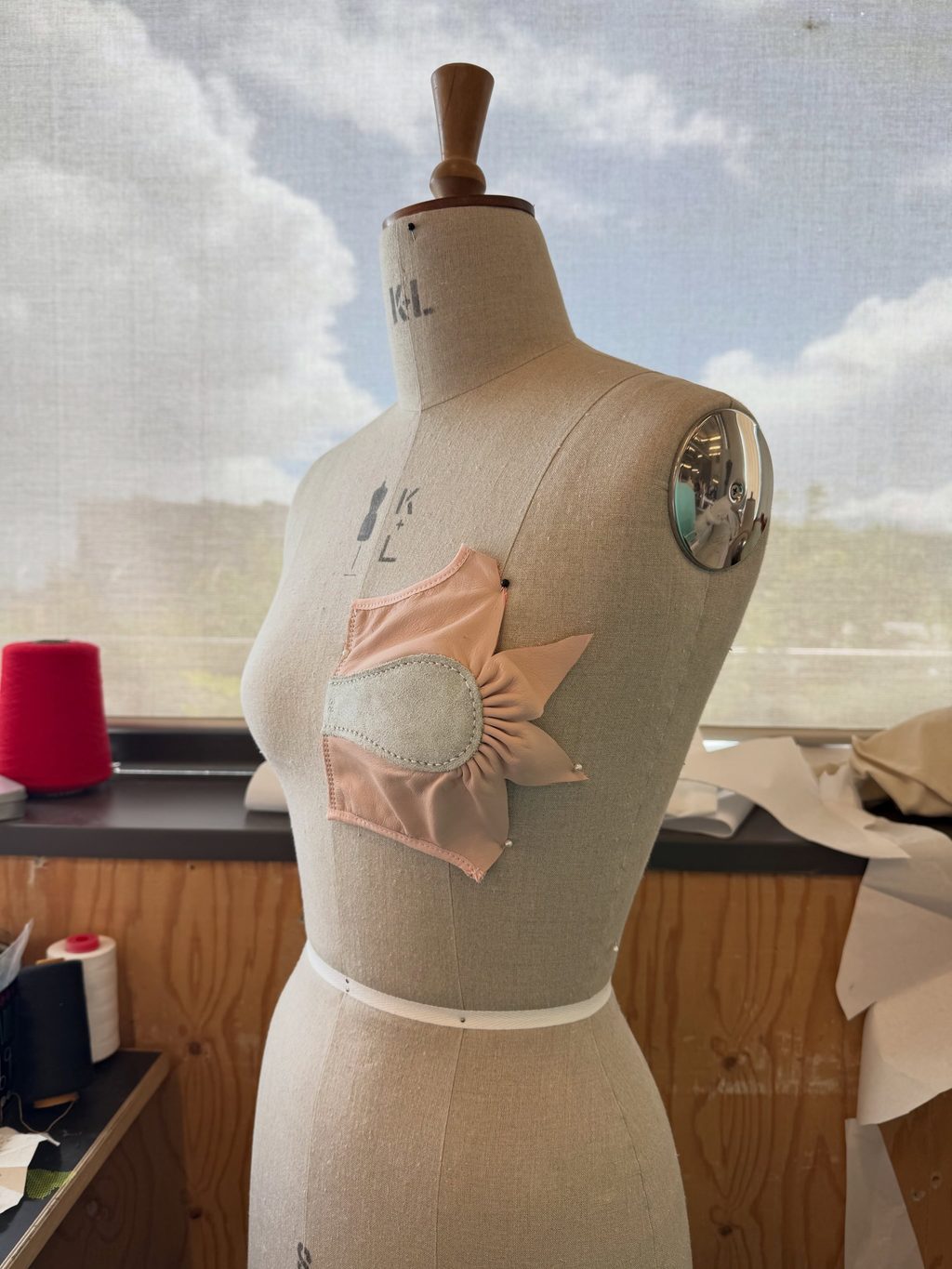
XO: I loved the Ballet Slipper Jacket you designed. What inspired you to create this piece specifically?
C: “I had certain fixations growing up and getting my first point shoes was one of them. I still sometimes wear my old ballet shoes around the house because I just love them. It ties into a lot of feelings but really I just love the look of them and that inspired me. I nearly didn’t bother making it because I thought it was too obvious but I’m glad I did.”
XO: I know you work with an all-female studio team. Why is this important to you?
C: “I don't have a team the way I did a few years ago, but I think I might do the same if I did have a team again in the future. The fashion industry is still biased towards men. If you look into the percentage of women who study fashion and then the percentage of women in the most glorified roles like creative direction, it's very telling. It's a big industry and it felt good just to create a very comfortable environment, it helped me be confident in my own work. Plus it was so much fun.”
XO: As it stands, how inclusive of female designers do you think the fashion industry actually is?
C: “It's been inspiring to see the appointments such as Martine Rose for Balenciaga. I feel a bit more positive now than I have at times in the past, where it felt like every day a new man was being announced creative director, usually for womenswear too. It's upsetting when it feels like such a small proportion of the clothing for women was designed by women. It's still not enough, and the pipeline from student to creative director for men versus women worries me.”
XO: What’s a piece that you didn’t design, that you wish you could say you had?
C: “Maybe the famous Elsa Schiaparelli trompe l'oile knit jumper.”
XO: If you could give yourself when you first founded Octavia Banks, one piece of advice, what would it be?
C: “I decided to scale back after barely two years. It felt like I had been working so hard for so long, but now I realise that that is no time at all for growing a business! So I would tell myself not to panic just because I hit a couple trickier months. I'm glad I'm coming back to it now 4 years later!”
XO: What’s something you couldn’t do your job without?
C: “My family and friends who don’t care about fashion!”