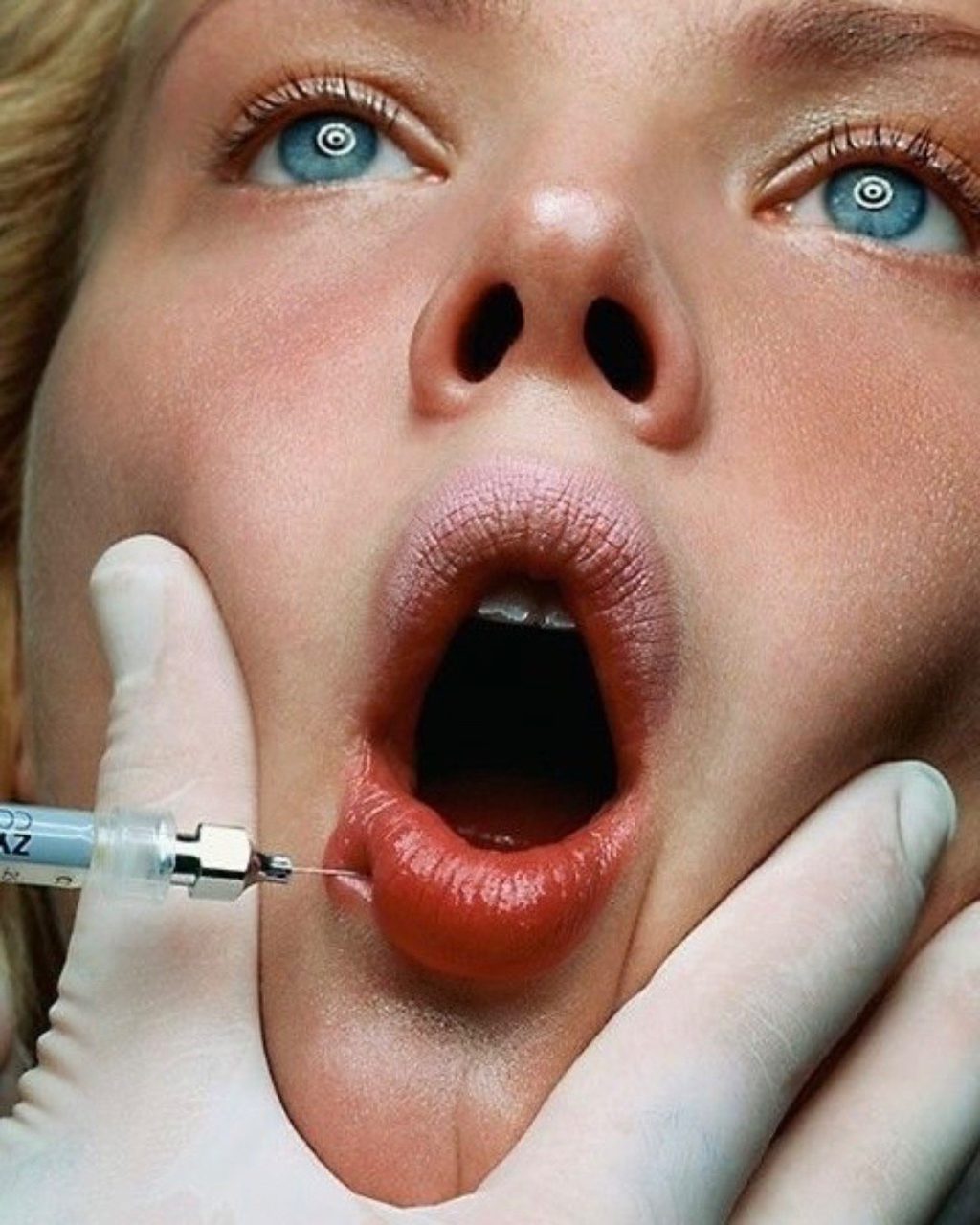
Back in the ‘90s, beauty standards favoured heroine chic. Then came the rise in thin brows and upturned noses in the 2000s, before chiselled features and lip filler blew up in the 2010’s. Every decade is defined by its own widely desired and often unattainable ‘look’. But what are the “beauty standards” being pushed on society in the 2020s?
The past few years have been defined by what experts call “Instagram face,” a culturally-fluid appearance that blends features from different ethnicities, usually via cosmetic surgery. It’s unrealistic and unattainable, but in 2026, it feels like that era might be coming to an end. We asked expert aesthetician, Rachel Attakora what she would define the “Western beauty standards” of today as. Let’s dissect.
When we put the question to Rachel Attakora about what, from her experience as an aesthetician, the desirable ‘look’ of today is, she told us, “The current Western beauty standard is all about looking naturally polished. There’s now a big focus on glowing, healthy-looking skin, balanced facial features, and a well-rested appearance.”
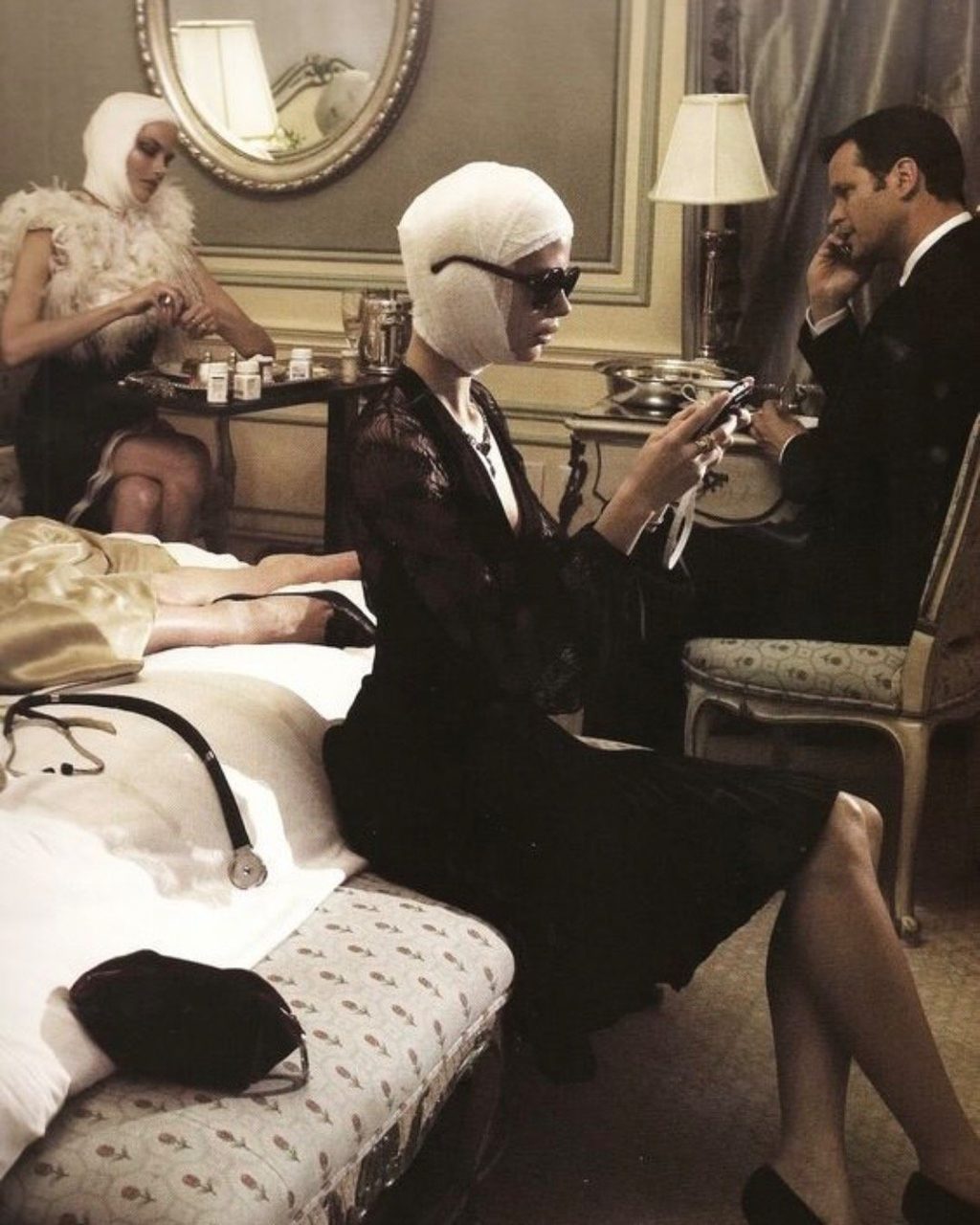
When we say “Western beauty standards” we mean the most popular/desirable facial or bodily features within Western society at one time. Right now, aesthetician Rachel Attakora describes that as a naturally polished appearance. Exiting a period where lip filler migration has plagued so many of us, outing us with a single glance, it makes a lot of sense that subtlety is such a priority.
As Rachel explained, beauty standards, particularly those achieved through cosmetic surgeries, have changed quite significantly within the past two years. “There’s been a move away from very dramatic or overdone looks. [For example] the Russian lips were super popular back in the day but now, most clients are asking for natural looking lip filler,” she told us. “Many clients also now are focusing a lot on facial balancing and symmetry, so looking at their face as a whole as opposed to just one specific feature.”
There’s another reason 2026’s “beauty standard” is being defined as “your healthiest, most perfect self.” People now want to look like themselves, just smoother, more symmetrical, and more put together,” Rachel told us, but the reality is that what appears natural, isn’t. “Even though it’s often described as “natural,” it usually takes a mix of good skincare, professional treatments, and sometimes aesthetic procedures to achieve that look.”
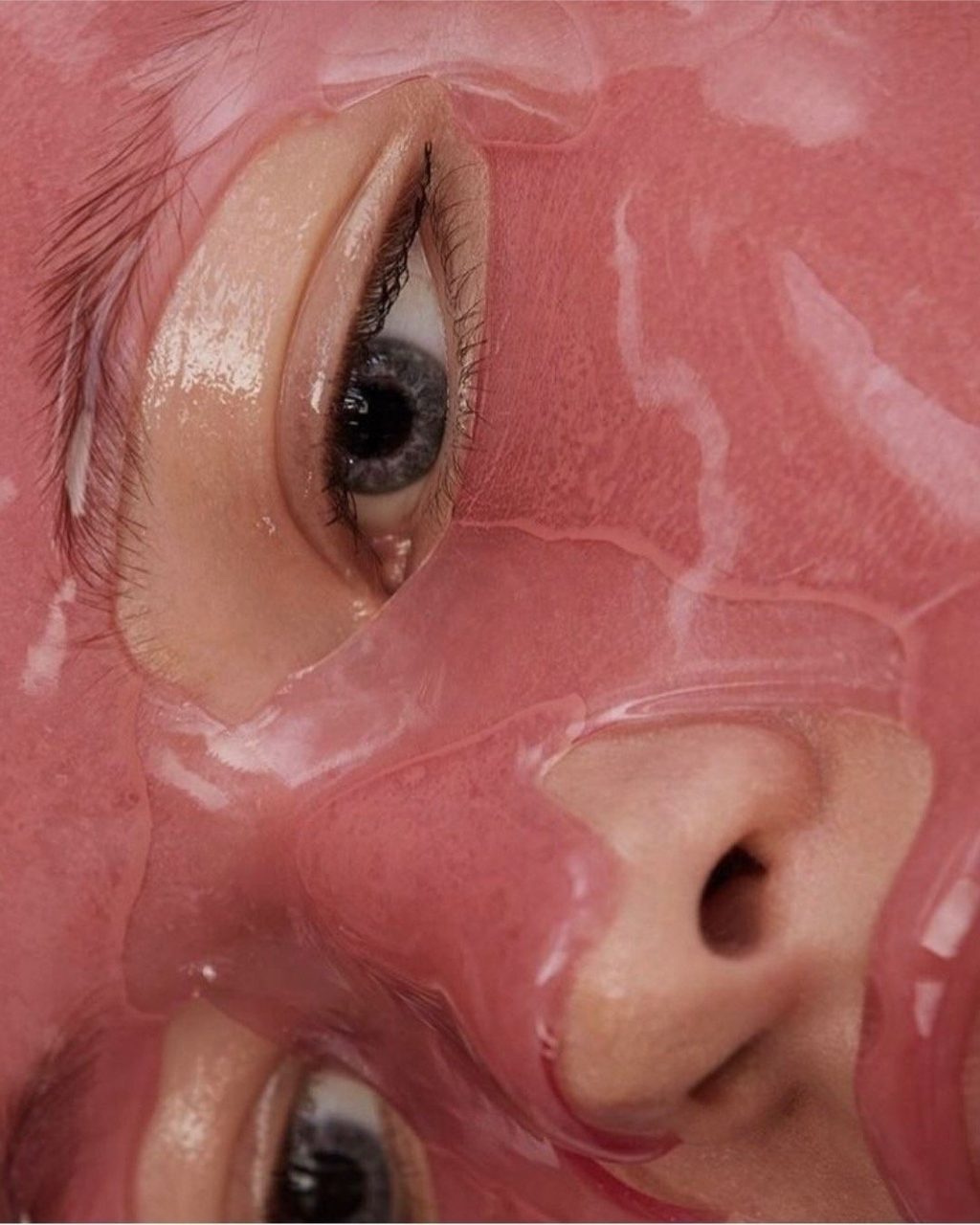
In the midst of a cost of living crisis, we’ve all been experiencing the elevation of everyday commodities. As things like affording a healthy diet and having time for exercise become a luxury that not everyone can afford, the beauty standard is becoming reflective of that. Right now, it’s desirable to look healthy because health has become a privilege.
Leaving us with a message that every woman should hear in 2026, Rachel said, “I think it’s important to remember that beauty standards are always changing, and social media plays a huge role in shaping them. As aestheticians, part of our job is helping people feel confident and informed, not pressured to chase trends. Beauty should feel empowering and I always say it should enhance what you naturally have not change it. It’s shouldn’t be stressful, and ideally, it should celebrate individuality rather than one “perfect” look.”