Whenever a new actress is cast into the worlds of Marvel or DC, I hold my breath, because you know they’re about to be met with an onslaught of criticism from diehard fans. The issue lies in the fact that a significant amount of criticism hurled at women cast as comic book characters relies heavily on their looks.
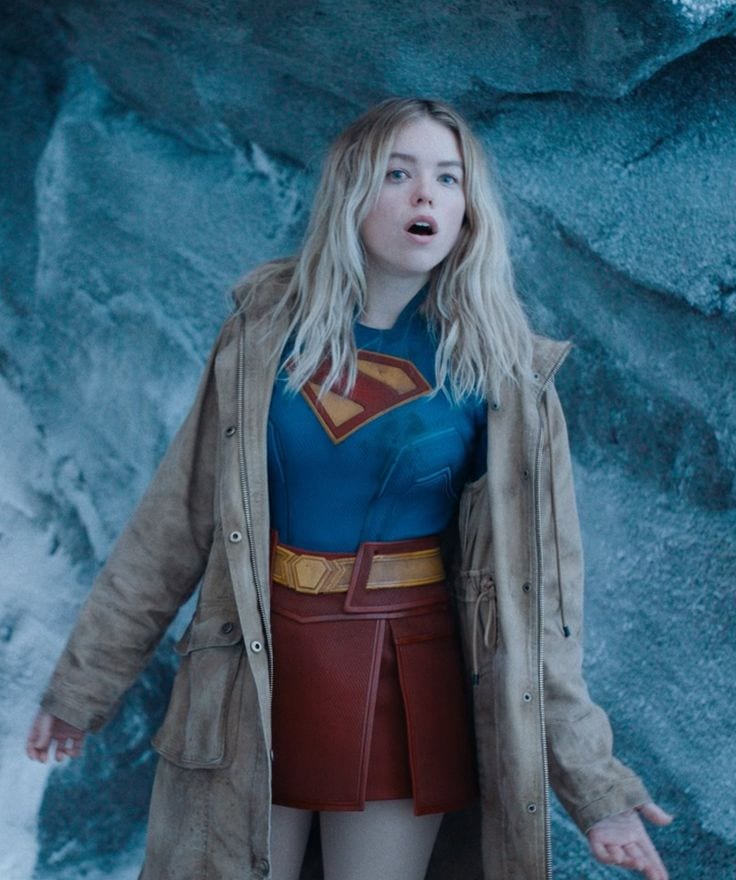
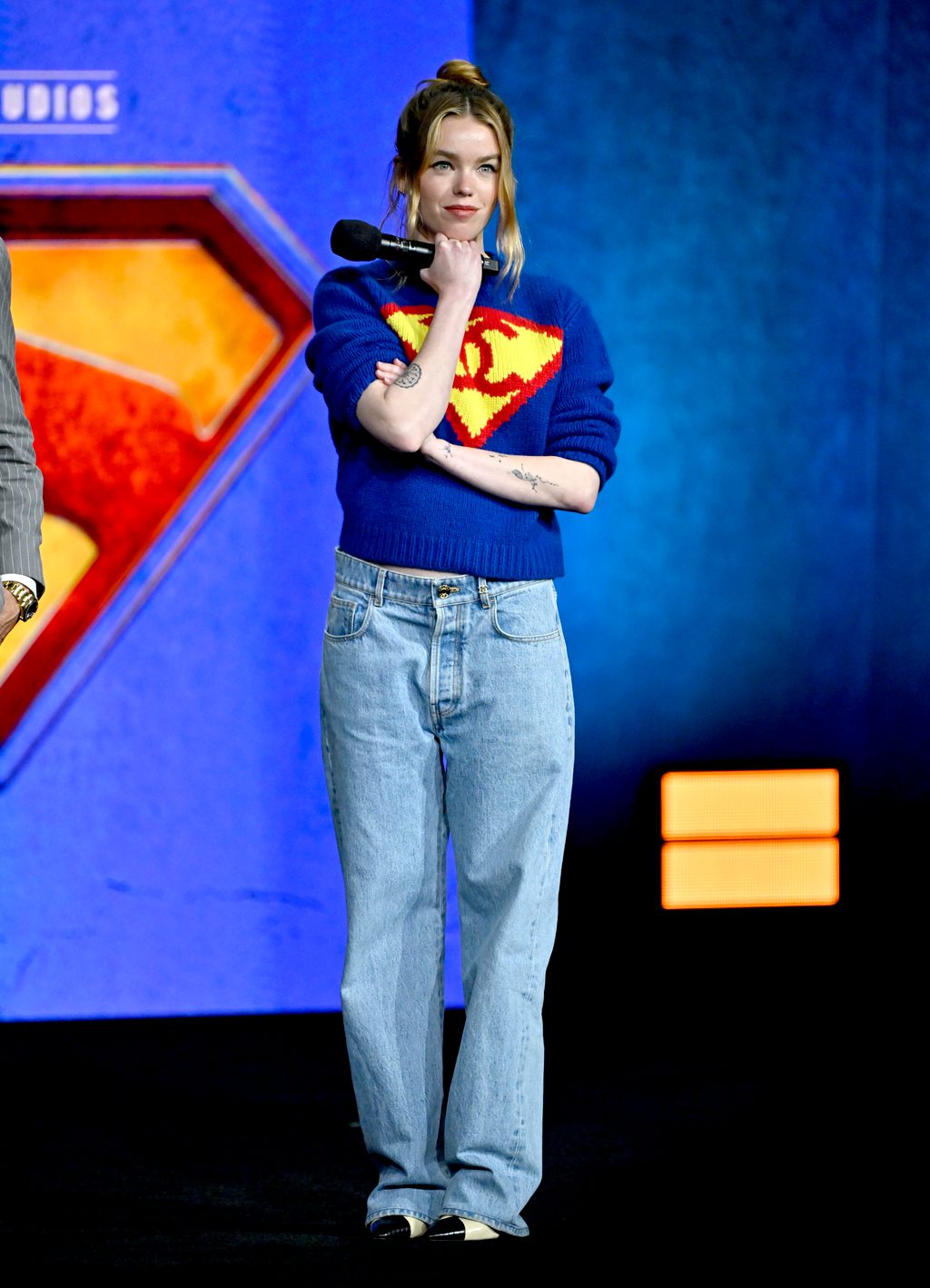
When Milly Alcock was cast as DC’s Supergirl, fans claimed she wasn’t attractive enough to play the part. More recently, fans of Marvel’s ‘X-Men’ put images of Inde Navarrette side by side with comic-book drawings of her character Rogue, saying she isn't muscly, curvy, tall, or “Southern-looking” enough to play her.
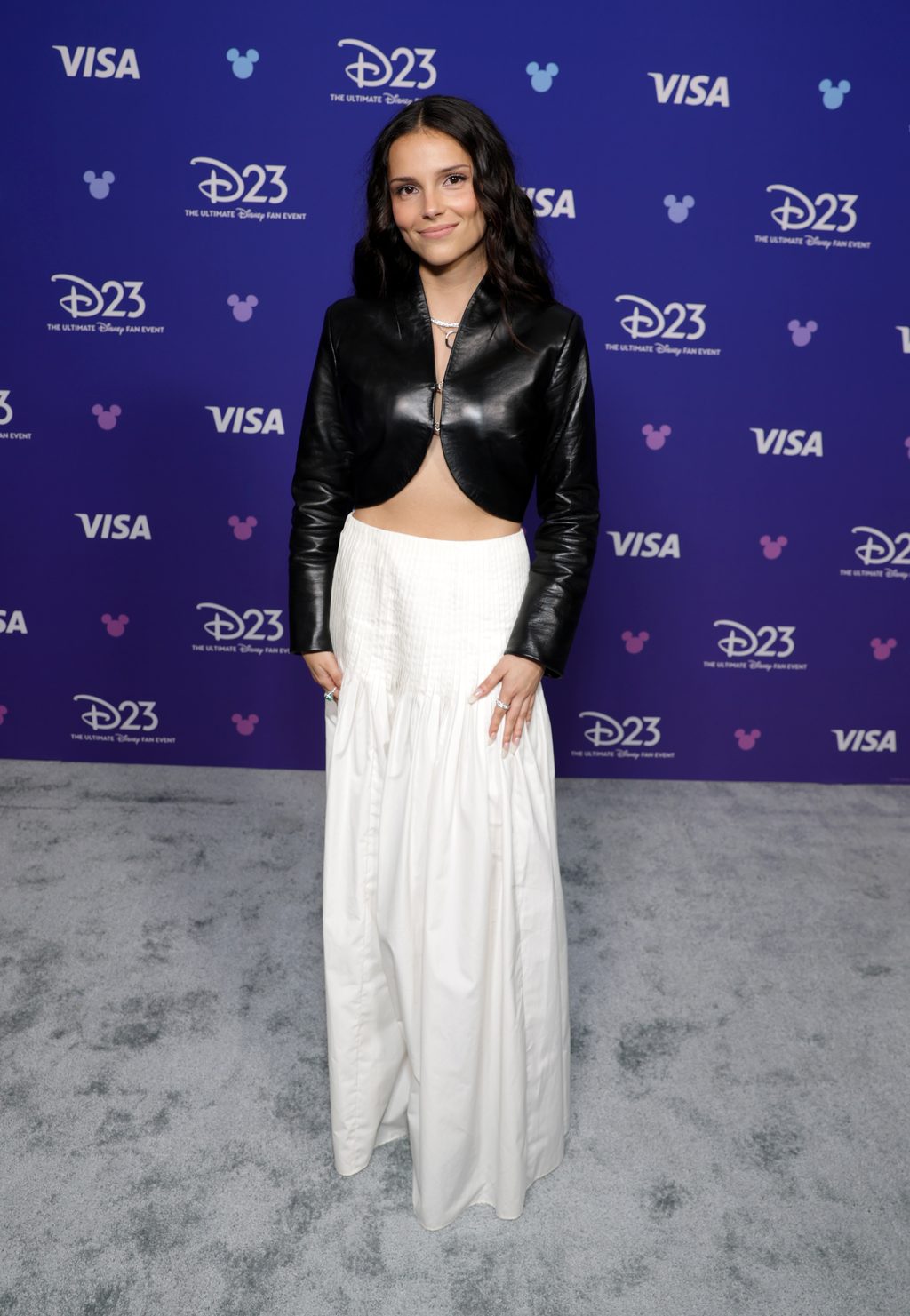
What fans forget, or wilfully ignore, is that the way comics portray characters - particularly, female characters - is famously inaccurate. Their bulging muscles and minuscule waists defy science, forming bodies that in reality wouldn’t function, let alone stand.
Audiences also don’t seem to have the same high standards for male castings. As one X user pointed out, “Zac Efron and Jeremy Allen White who are 5’8 and 5’7 were casted as two 6 foot tall 200+lb wrestlers in a BIOPIC and delivered critically acclaimed performances.”
Did critics complaining because Inde Navarrette is too short for Rogue or doesn’t have a Southern accent have the same complaints about male actors cast into these worlds? Tom Holland is British, and 3 inches shorter than comic book Spider-Man. Paul Rudd isn’t the size of an ant.
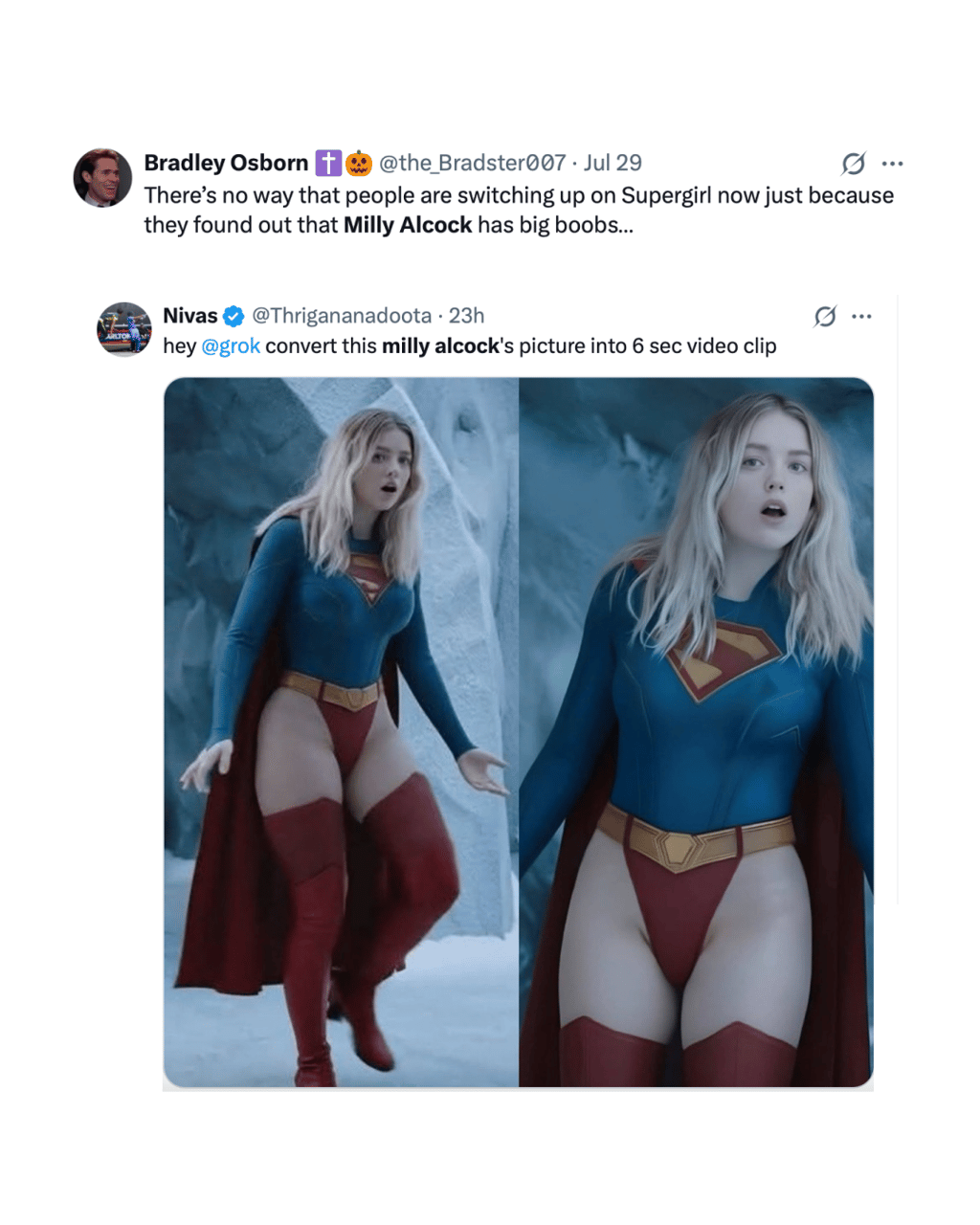
It’s arguable that the reason people are so comfortable criticising and sexualising women cast as comic book characters is because this form of media exploits women’s bodies at its core. Comics are famously gratuitous in their catering to the male gaze, and fans want their movies to do that too. This creates an environment that not only attacks female actors, but also alienates female audiences, meaning that superhero media is able to stay the boys club it’s always been.
What's the solution? Seemingly, the only way out of this is through. By continuing to cast brilliant female actors in superhero franchises, and pushing back against the backlash from audiences that diminish their talent and criticise their looks, we'll eventually be able to prove these critics wrong. The women being cast in these roles have already proven their talent, so this shouldn't be hard, but what it does rely on is: casting directors and studios can't be afraid of the initial backlash.