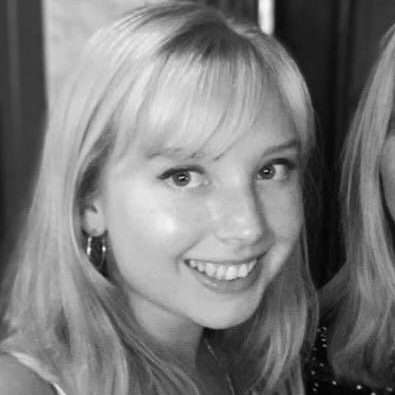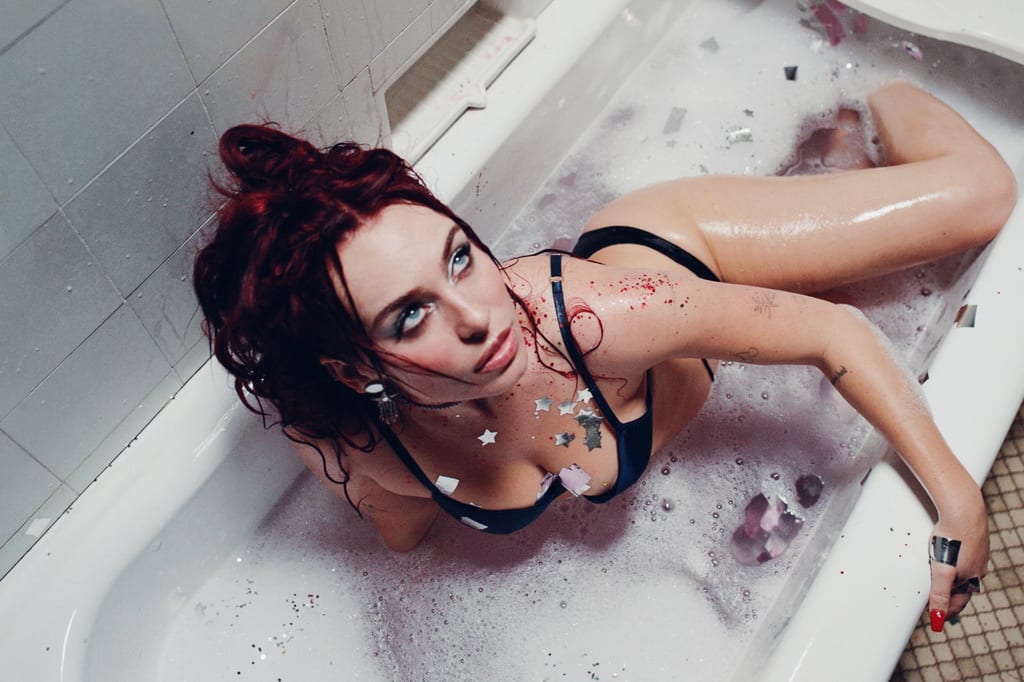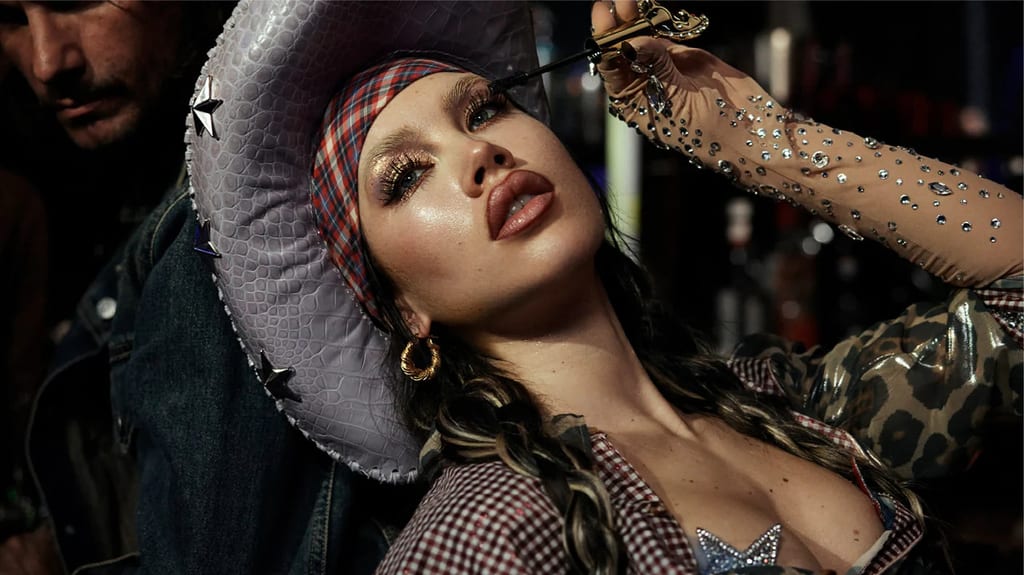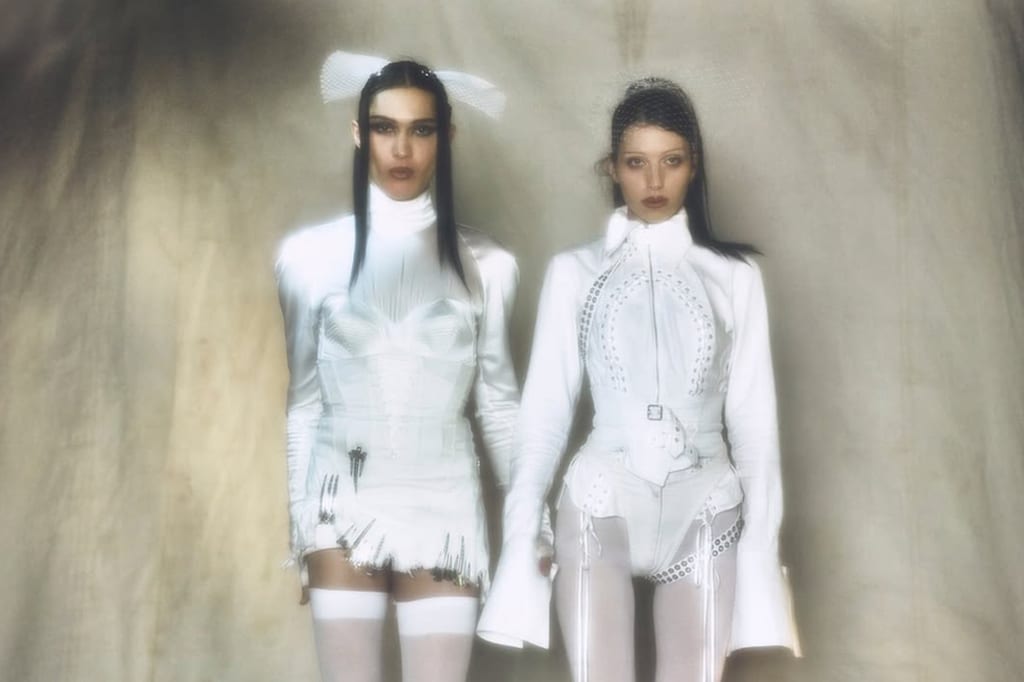
With the aim of abandoning nepotism and championing radical talent from the next gen, the IoDF‘s new initiative – the IoDF Creators Fund – has been trying to discover raw creative talent. Last week, the Creators Fund finally found its 2025 winner: OPIA, a self-described “three-pronged entity” that encapsulates a travelling festival series, a record label and a community hub fostering a variety of conversations and initiatives.
As the winners, selected for their “bold, unfiltered approach to counterculture and community,” OPIA will receive a £3,000 bursary and a solo showcase, powered by IoDF in partnership with The Fashion District Festival & SXSW London 2025, including full immersive technology including holographic displays and large-scale OOH installations. We linked up with OPIA following their IoDF Creators Fund win to find out what the award means to them, how they’re disrupting the industry right now, and what’s next up for OPIA.
Winning the IoDF Creators Fund dubs you “a landmark initiative championing next-generation creatives” – but what does championing the next generation actually mean to you?
“It means creating a new access point into the creative industry. Parting through the crowd and making sure the path we go down remains open for those that’ll come after us -sure to create even crazier, more refined works. We like to joke around that we’re improvising our way through the industry, because there’s not many references to draw on that mirror our journey. The types of spaces we come from, queer counter-culture spaces, are historically hidden. Discrete, ‘other’ed either by force or for our own safety to exist without scrutiny.
“The only reason we’re here is because of the online, something unique to our generation of spaces; somehow stumbling onto the eyes of fashion giants through instagram algorithms that favored us one lucky day. So this is genuinely new territory not just for us but everyone in fashion: we’re guinea pigs of sorts, all collectively seeing just how far an underground subculture can go into mainstream. Our hopes in championing next generations consists of redistributing wealth to new voices, paying for new creativity, and creating an easier access point for visibility. There’s absolutely no reason why the next Anna Wintour can’t come from our scene, she just hasn’t been given the chance yet.”
As emerging creatives, why do you think the existence of the IoDF Creators Fund is important?
“The IoDF fund is crucial in establishing this evolved creative-industry framework. IoDF is great because they’re so fluent and experimental with social media; they understand that the next creative trailblazers are building their worlds online due to inaccessibility of industry invites etc. This fund is important because it’s an immediate, real-time economic action in supporting artists outside the traditional industry cocktail event.”
OPIA “RAVECONOMY” feels so evocative what people are loving right now. Why do you think people are craving candid takes on pop culture and party girls, like Brat Summer and your own work?
“We are living in a hyper-mediated world with a maximalist level of sponsored content. Everything is branded, everything is “my favorite thing right now”, everything is a microtrend. Brat Summer & the OPIA partygirl are a response to this world; drowning out the noise of a mundane e-commerce with an obnoxiously loud techno beat. It’s rebellious, it’s anti-mainstream, it’s carnal – that’s what makes it so candid.”
“An “I don’t care” reply to the world, bordering on nihilism. Yet instead of sulking in existential dread, we party. The Opia partygirl, more specifically, uses brainrot aesthetics in a meta-ironic way. It’s our trojan horse to get picked up by the algorithm, but underneath the veil we’re here to promote our underground scene & turn the fashion world on its head.”
You’ve expressed a want to “take your underground scene into the mainstream” which is something that a lot of artists fear – being “mainstream” isn’t always seen as a compliment. What does being mainstream mean to you, and why is it that you’re striving for this?
“Queer spaces will forever be ‘other’. Subversive and alternative, our objective to become ‘mainstream’ fails before we even begin. That’s exactly why we’ve set our eyes on it – we have no idea what will happen. For us, becoming mainstream means projecting our community’s creativity into the largest public arena possible – screaming it out & making it visible. Whether or not it actually pierces through mainstream, we don’t know. But we grew up on Reality TV, TMZ, around keychains of Marilyn Monroe… our entire lives have been adorned by notions of celebrity and mainstream and we just want our scene to have its very own keychain.”
Who’s another creative or artist you think is doing something really cool right now?
“Ryan Trecartin if you’re reading this, we love you. Lisa Rinna is another north star for us. Fecal Matter obviously. In terms of our scene, we are inspired & enamoured by names like Princess Julia, Emilio Tamez, Black Peppa, Laís Pattak, Parma Ham, & Sissy Misfit.”
If you had to give emerging creatives one piece of advice, what would that be?
“There’s not a single piece of advice or token of validation you need from anyone. Especially when it comes to creative giants you may idolize, their eyes do not authenticate the existence of your work. Create your world, fully bathe and revel in your own creativity. No one needs to discover you, just make your work and post it or talk about it and people will come.”
In your opinion, what’s the biggest challenge young creators face in 2025?
“Finances & space. In the UK we’re in an intense cost of living crisis, more specific to queer collectives a lot of our spaces are being closed down. It’s becoming increasinly more difficult to take up physical space, which threatens our ability to impact mainstream culture. So things like payed creative work, acessibility, & open spaces is critical for young creators.”
What’s next for OPIA, having just won the IoDF Creators Fund?
“Our very own keychain, first off. Then to keep collaborating with brands on events, PR stunts, social content, etc. to continue to flex our innovative skills in the fashion & art world. Lastly is to continue to propel our scene girls through casting, repping brands from our community, etc. we won’t stop until our scene is on every single billboard across the world.”