Back when designer Duran Lantink showed his eponymous brand's Fall 2025 collection, audiences did not understand the vision. The runway depicted prosthetic torsos, including one with breasts, and criticisms of the collection claimed it was gauche, graphic, and even offensive.
Then Duran Lantink was hired as Jean Paul Gaultier’s new creative director, and the same critics weren’t happy. The announcement sparked debate about whether Lantink was appropriate for Jean Paul Gaultier, despite Gaultier himself historically being similarly inclined to feature nudity on the runway.
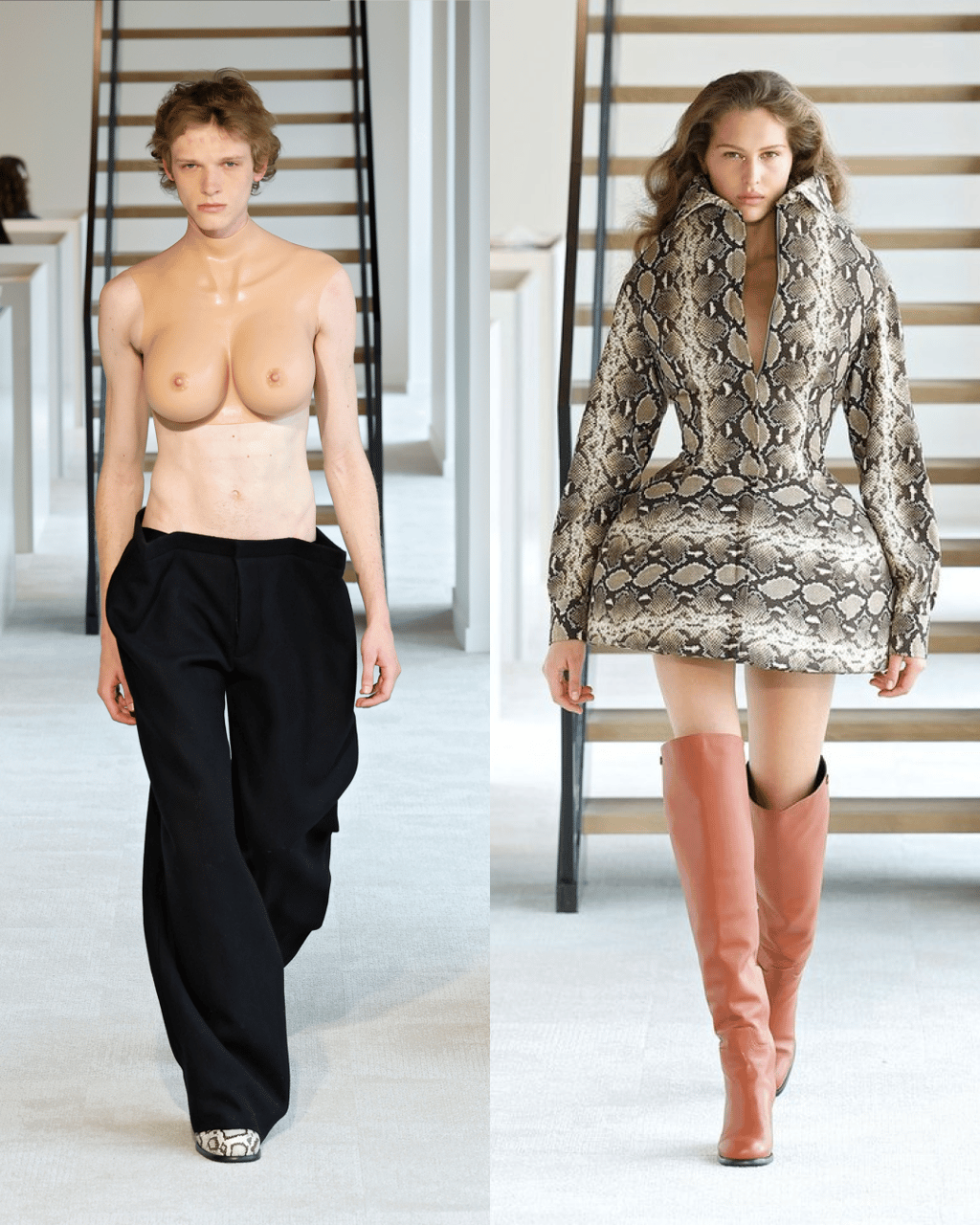
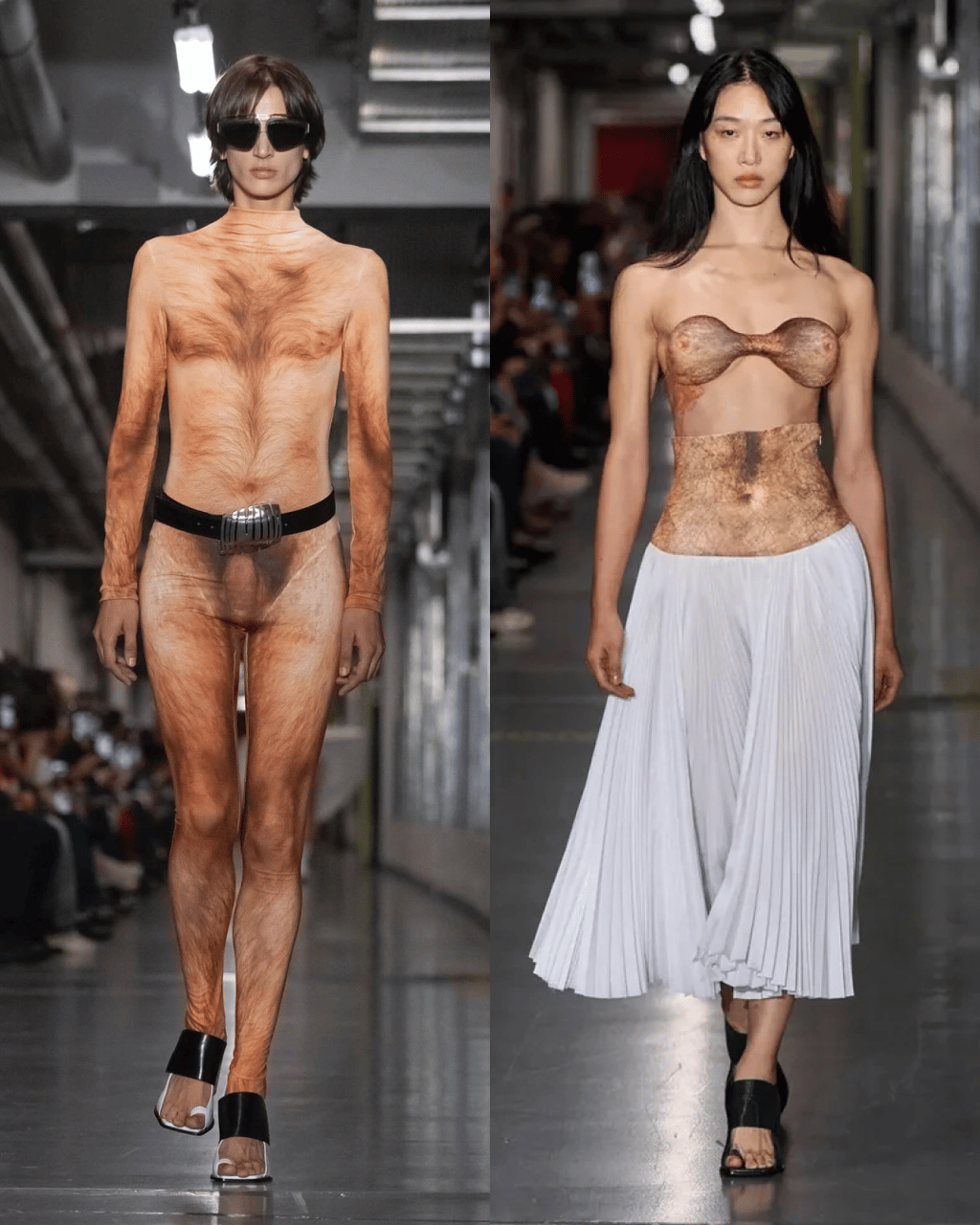
Lantink’s first collection for Jean Paul Gaultier seemed the be nail in his coffin, at least according to critics. He revealed looks that displayed graphic prints of full-frontal nudity. Audiences reacted by claiming he was tainting the Jean Paul Gaultier brand. What they failed to acknowledge was the exciting experimentation with silhouettes, artistic portrayals of human bodies, and direct references to Gaultier's archive also on the runway.
Despite Lantink's debut being a collection that pushed boundaries and sparked conversations, it was met with backlash from the general public, largely because of its depiction of nudity. Recently I’ve been wondering: would audiences 20 years ago have had this reaction?
There’s no denying that Gen-Z is turning more conservative, with popular views reflecting that. Attitudes on social media and reports that Gen-Z want less sex in media align with this idea that we’re regressing to more conservative views.
According to a Yale Youth Poll performed in 2025, voters aged 18 to 21 are leaning more Republican than in the past. Speaking on his findings, Jack Dozier, deputy director of Yale Youth Poll, said he found it surprising.
Jack explained that “young people are traditionally thought of as the more liberal age group. But we are also now seeing how those within this group who went through high school during the COVID-19 pandemic are significantly more conservative.”
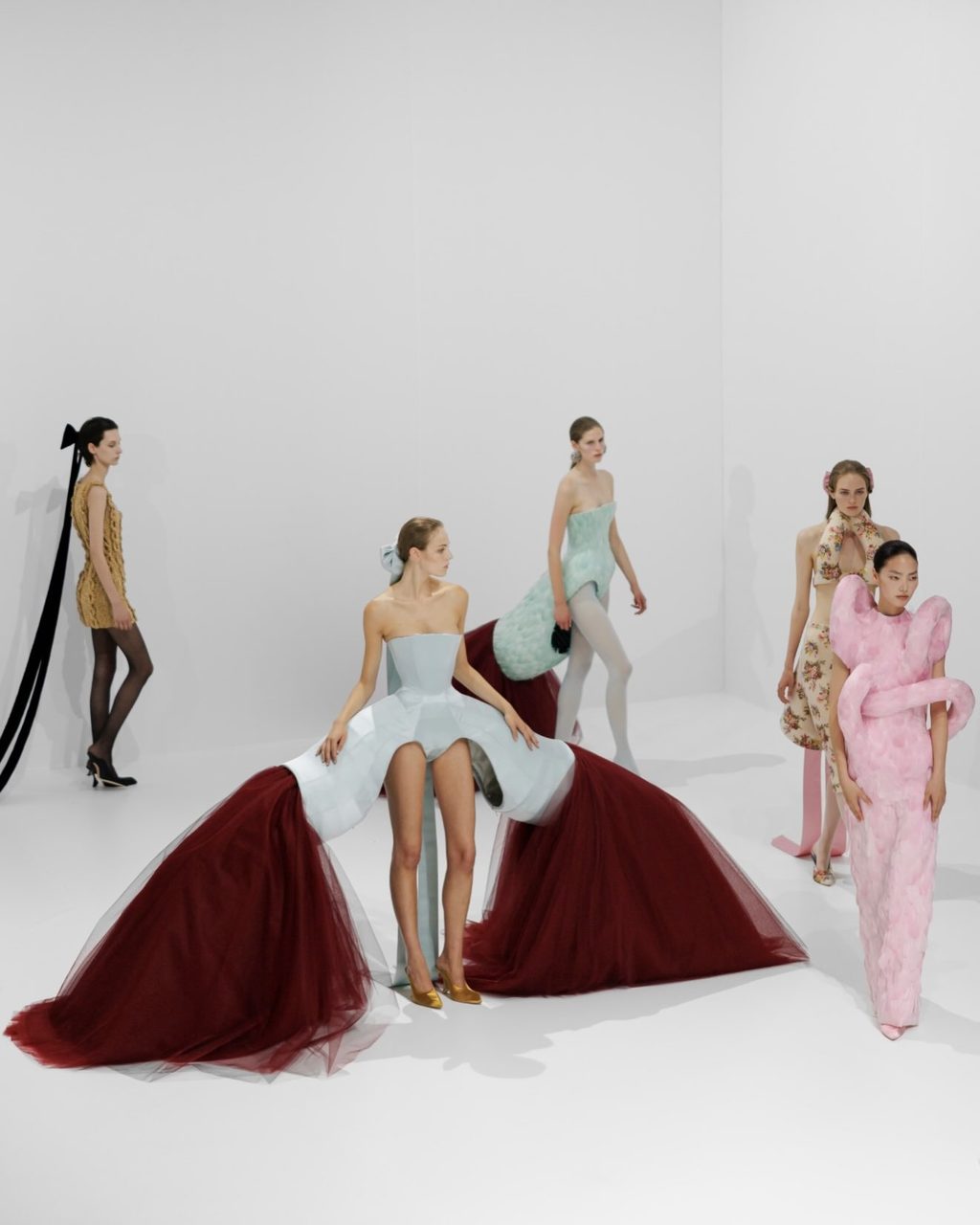
It’s clear that most of the criticism of Duran Lantink’s Jean Paul Gaultier was as a result of the more graphic looks, given that his debut Couture show in June 2026 for the House played with the same overall concepts, and suddenly audiences loved it.
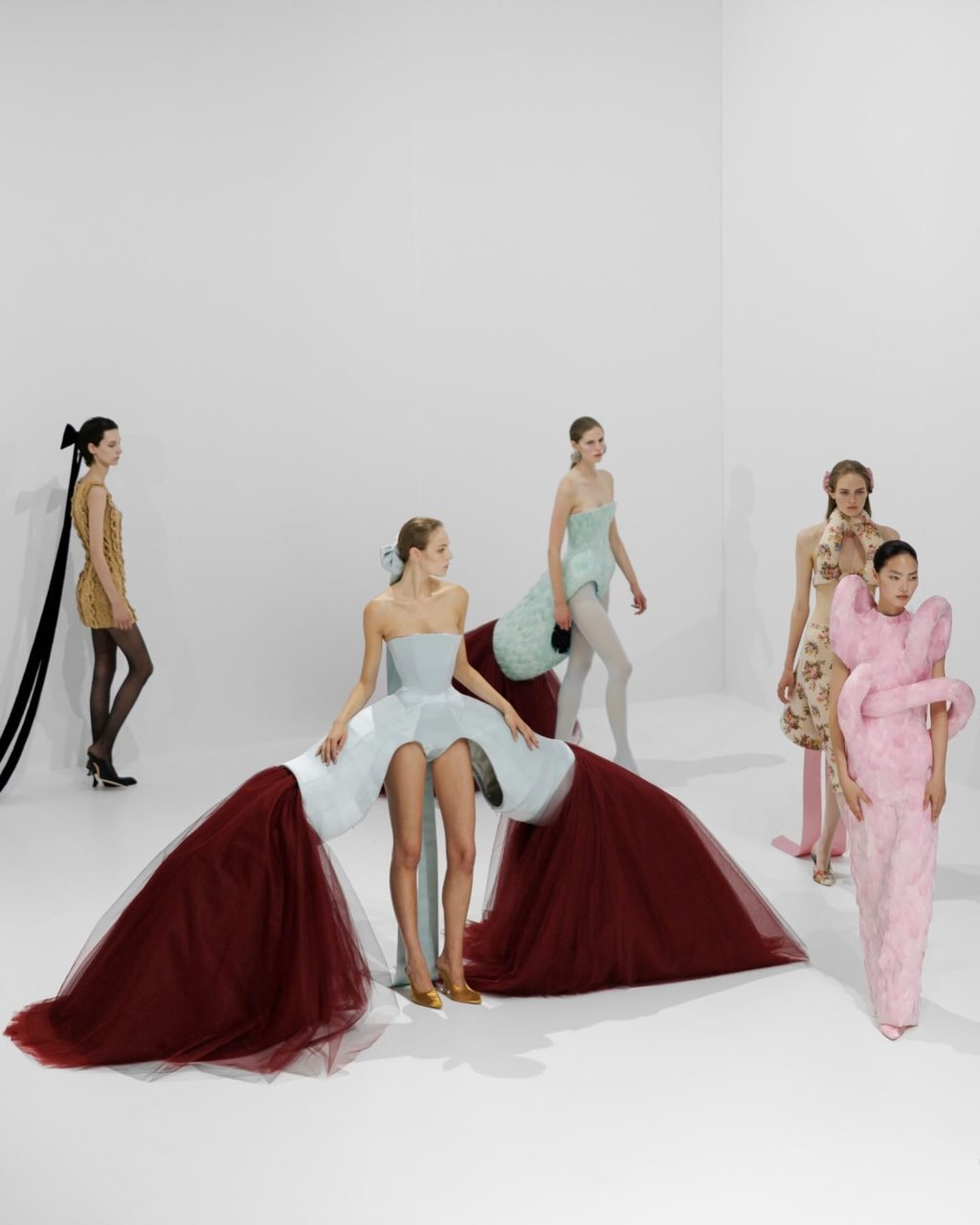
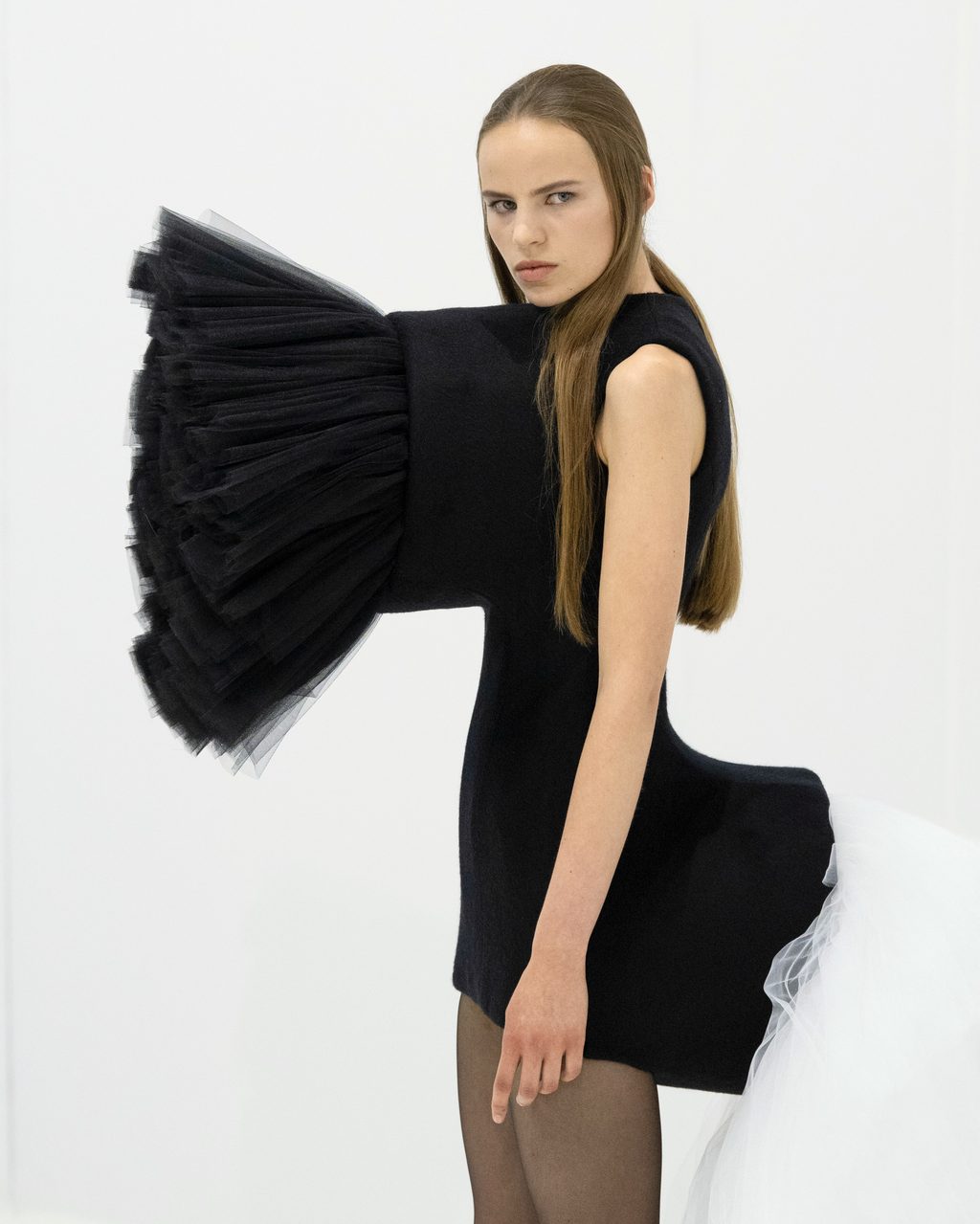
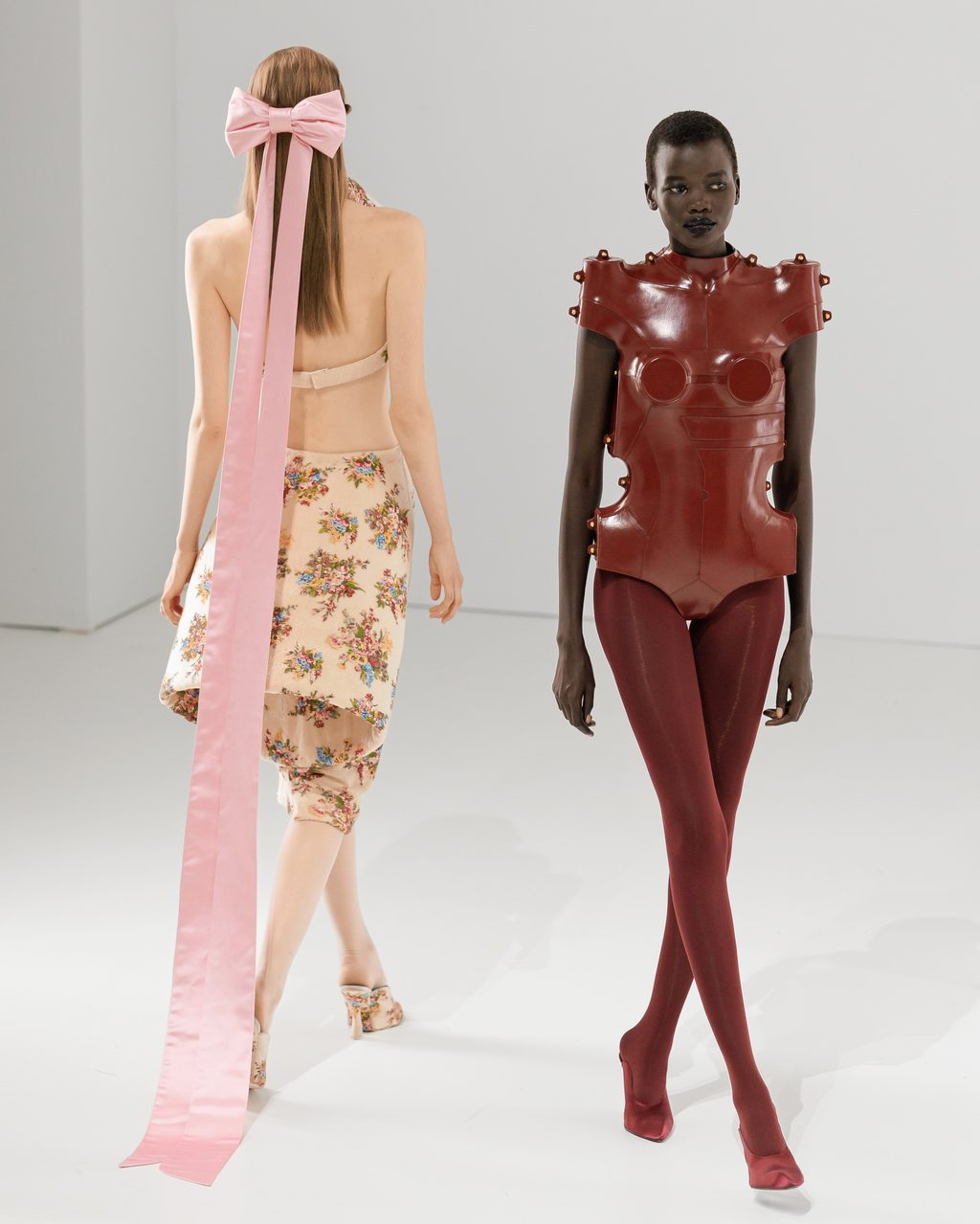
At Lantink's Couture, the same experimenting with shape, colour, and moulding looks around the body was no longer offensive, but innovative. Is that switch up simply because there was no nudity? It seems so.
My question is, when did we become prudes? Audiences 20 years ago seemed far more progressive towards nudity on the runway. From McQueen to Mugler to Jean Paul Gaultier himself, plenty of designers experimented with the body in fashion history in varying degrees of undress.
Nudity in fashion is like sugar in cake: not only is it the norm, but it usually improves a collection by challenging social norms and pushing the boundaries of experimentation. In 2026, let's stop censoring fashion.